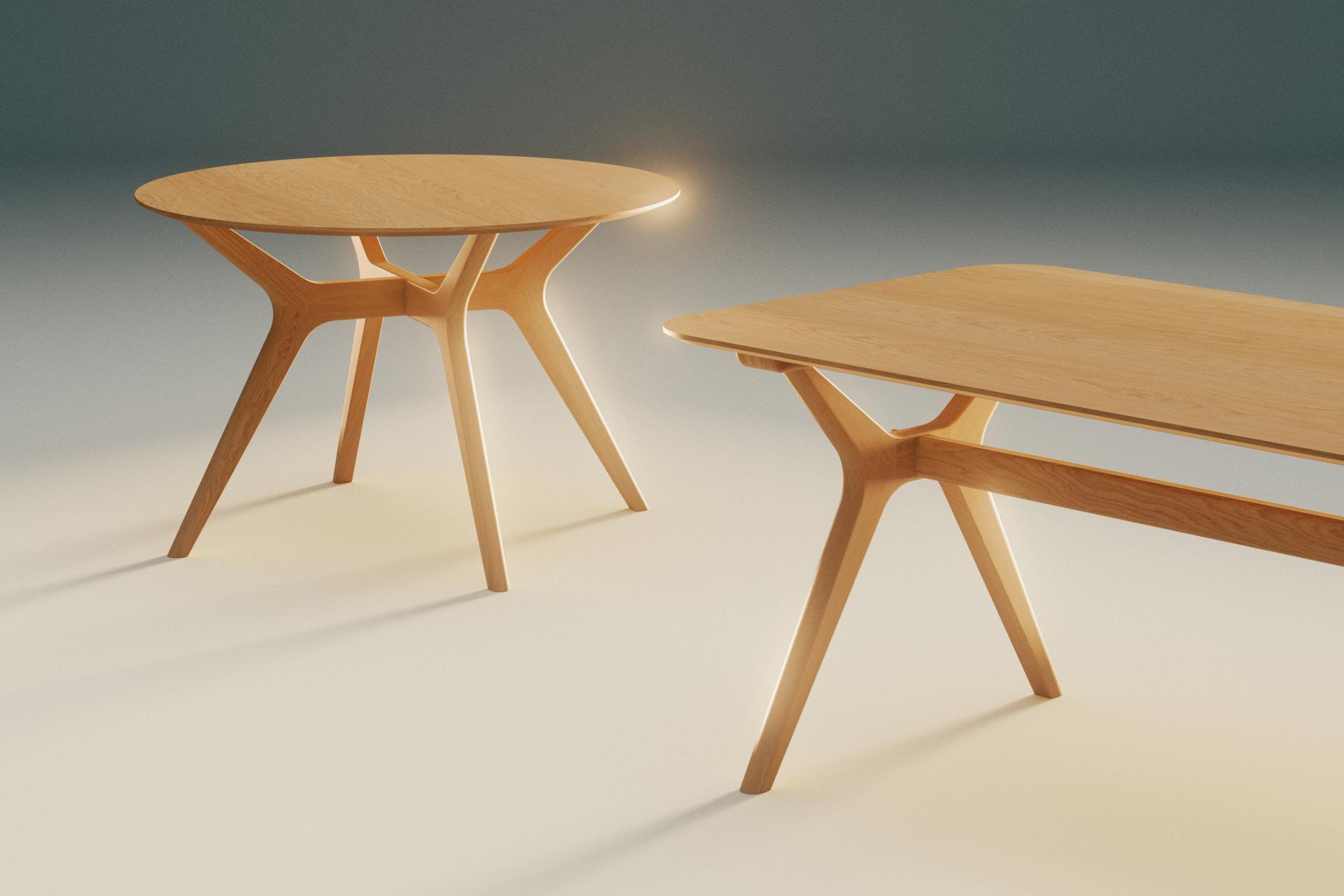
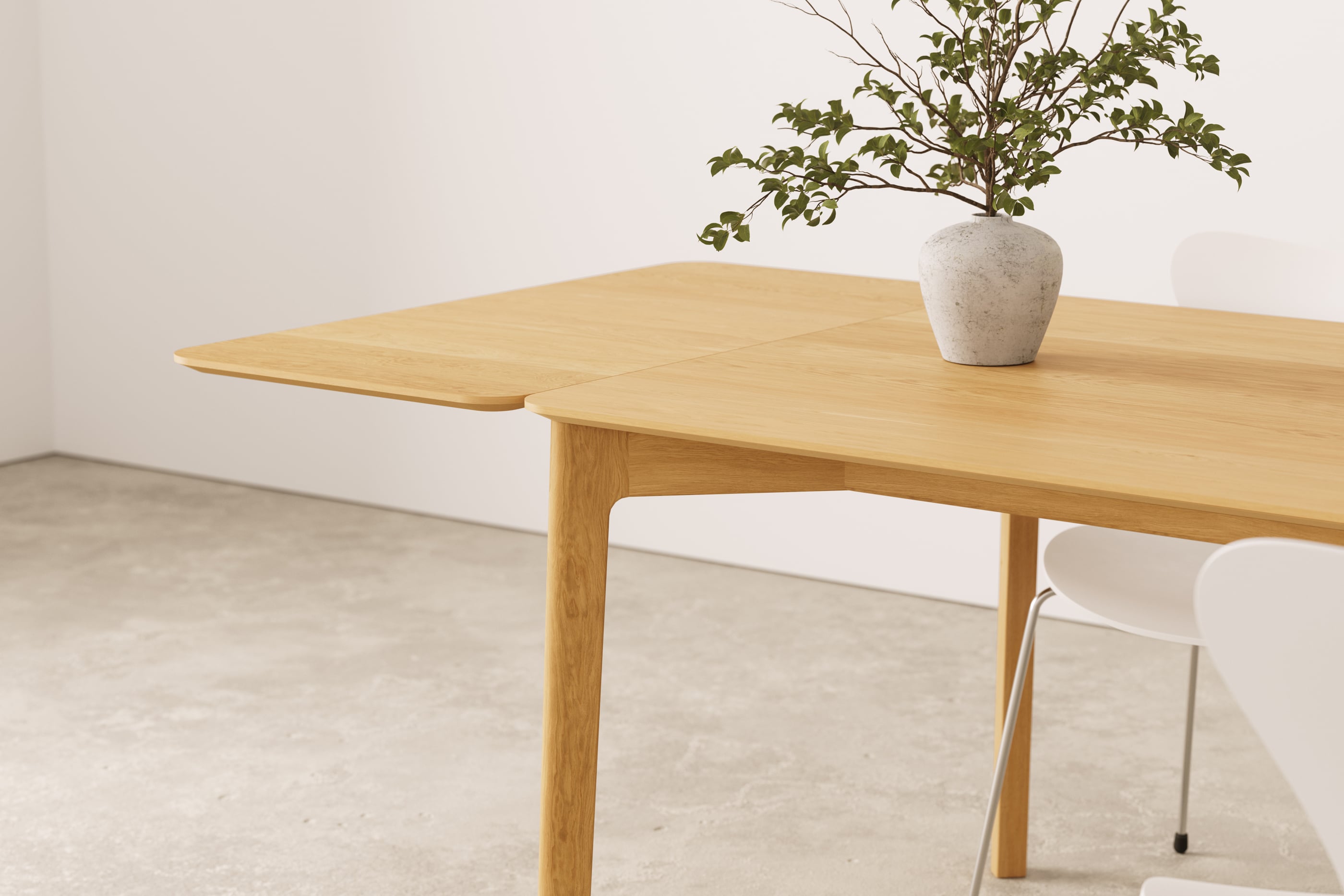
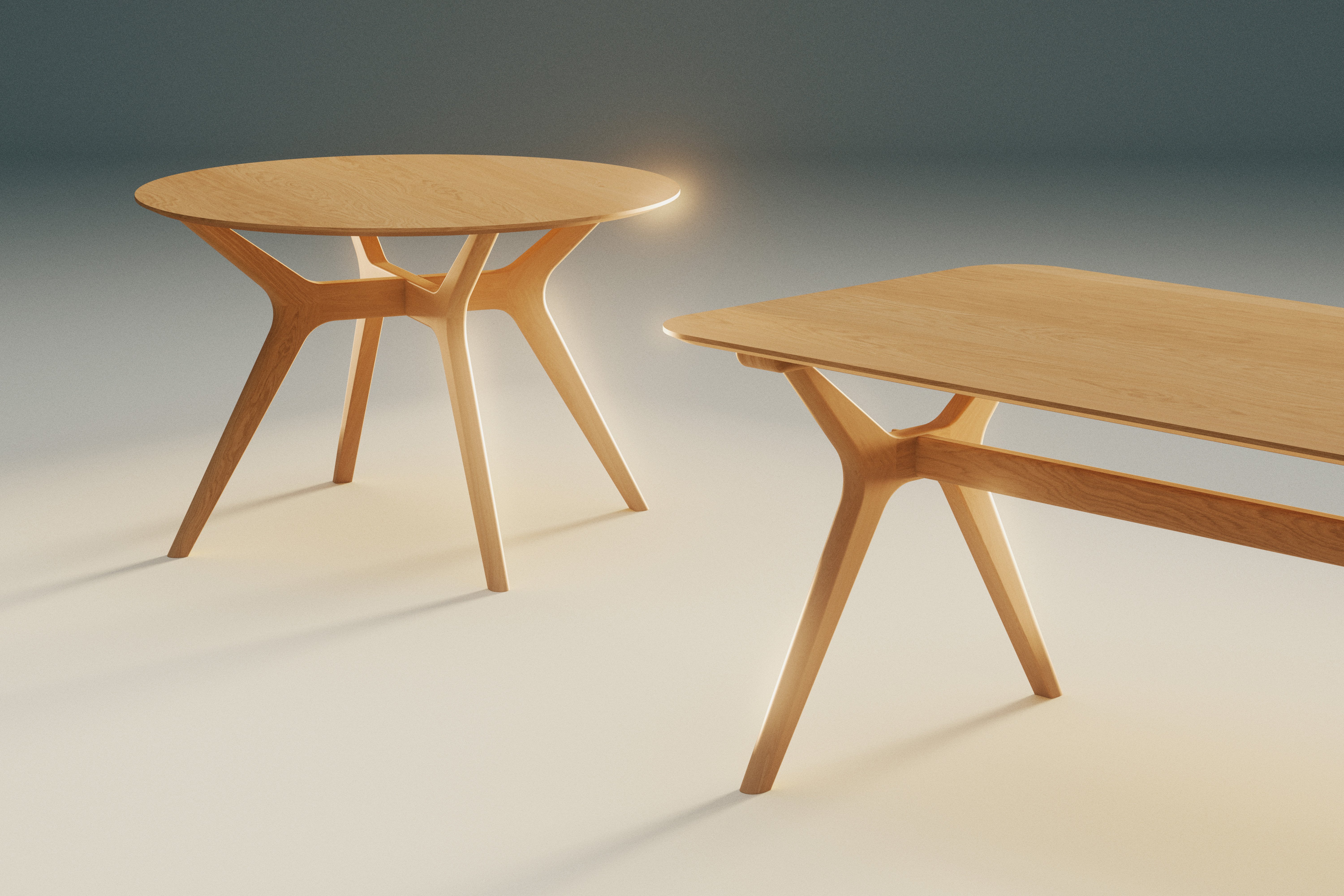
The dining table is the space where everyday moments unfold, from rushed breakfasts and homework sessions to long dinners with family and friends. Choosing the right shape impacts how your space looks, feels and functions. So, which one is the best fit for your home? Let’s examine the pros and cons of round versus rectangular dining tables.
The case for a round shape
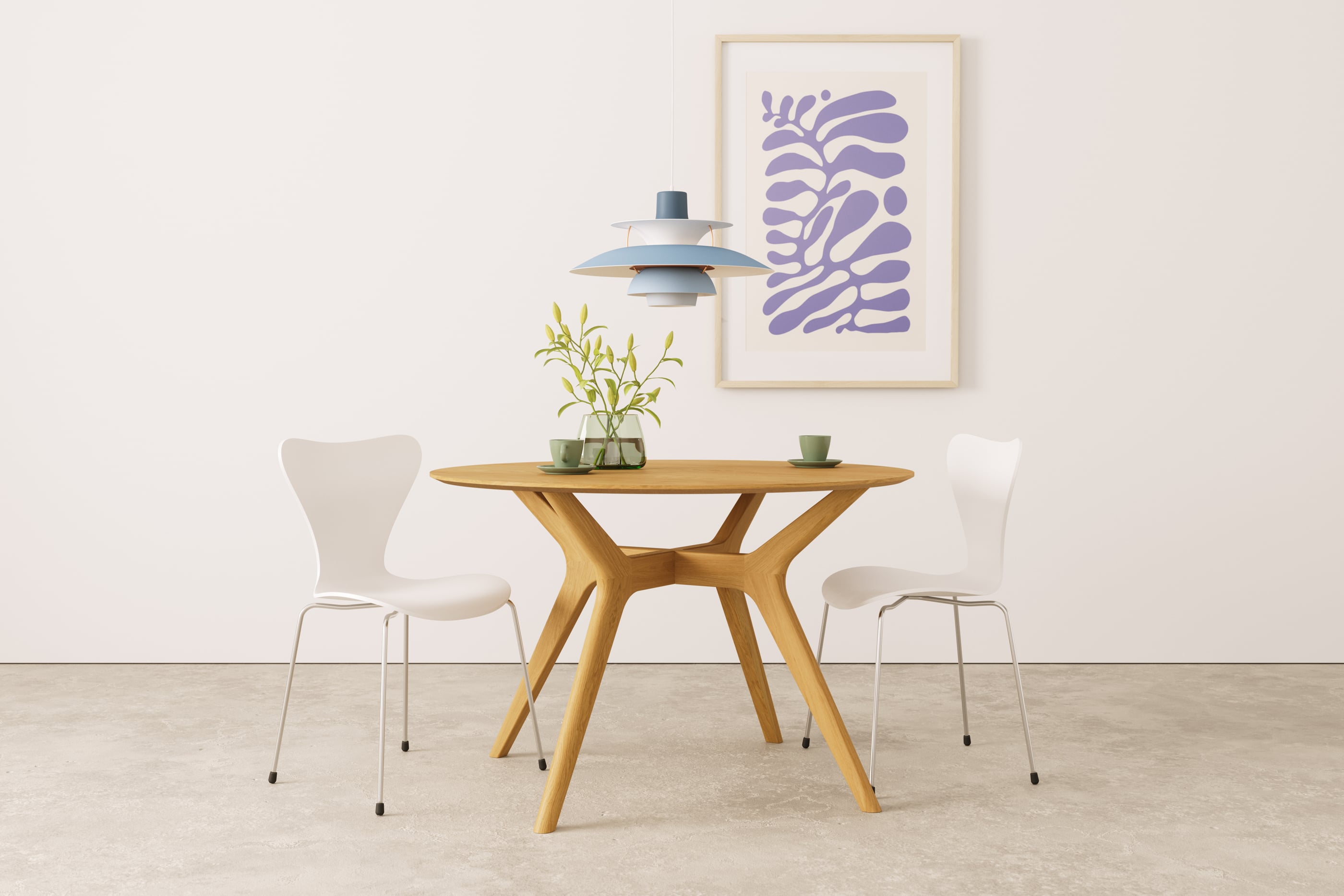
A preference for softer and more relaxed interiors has made round dining tables increasingly popular. There is no head of the table, and everyone sits at an equal distance, naturally encouraging conversation and creating a more social dining experience.
They are also an excellent choice for smaller rooms. The absence of corners helps improve flow around the table, making a space feel less crowded and easier to move through. In open-plan homes, a round table can soften the straight lines often found in kitchens and living areas, creating a more inviting atmosphere.
The downside? As the table size increases, reaching the centre becomes more difficult. Large round tables can also take up more floor space than you might expect and may not accommodate as many guests as a rectangular alternative.
A round table is right for you if:
- You enjoy intimate, social dining.
- You have a square dining room or compact space.
- You prefer a softer, more relaxed interior style.
- You typically seat four to six people.