,,,,,,,,,,,,,,,,,,,,,,,,,,,,,,,,,,,,,,,,,,,,,,,,,,,,,,,,,,,,,,,,,,,,,,

Why Scandinavian design is more than a trend

Why does Scandinavian design continue to captivate homeowners around the world? In an era of fleeting trends and visual clutter, perhaps its appeal lies in the opposite: quiet simplicity. Calm, functional and comfortable spaces designed not just to look beautiful, but to feel good to live in.

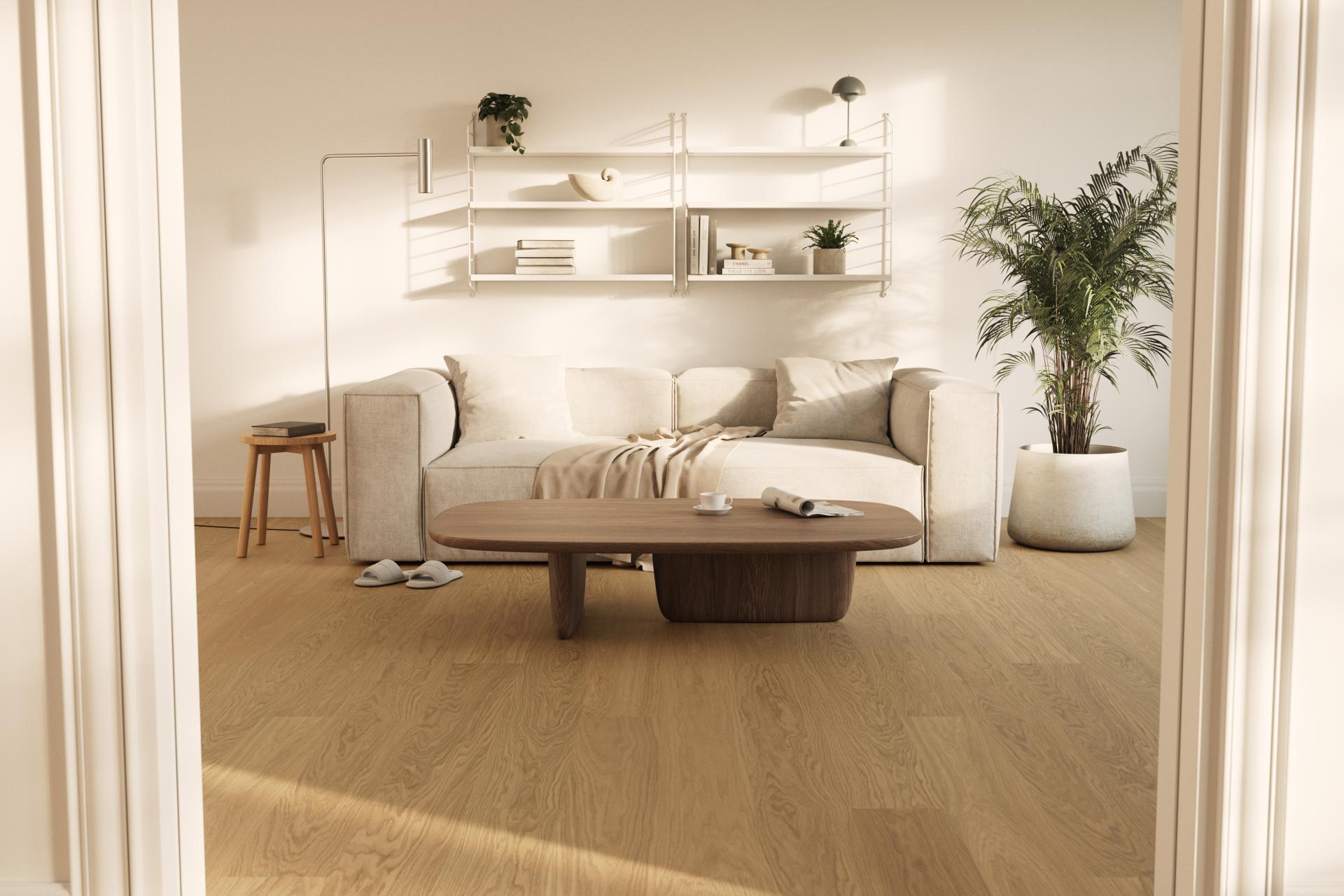
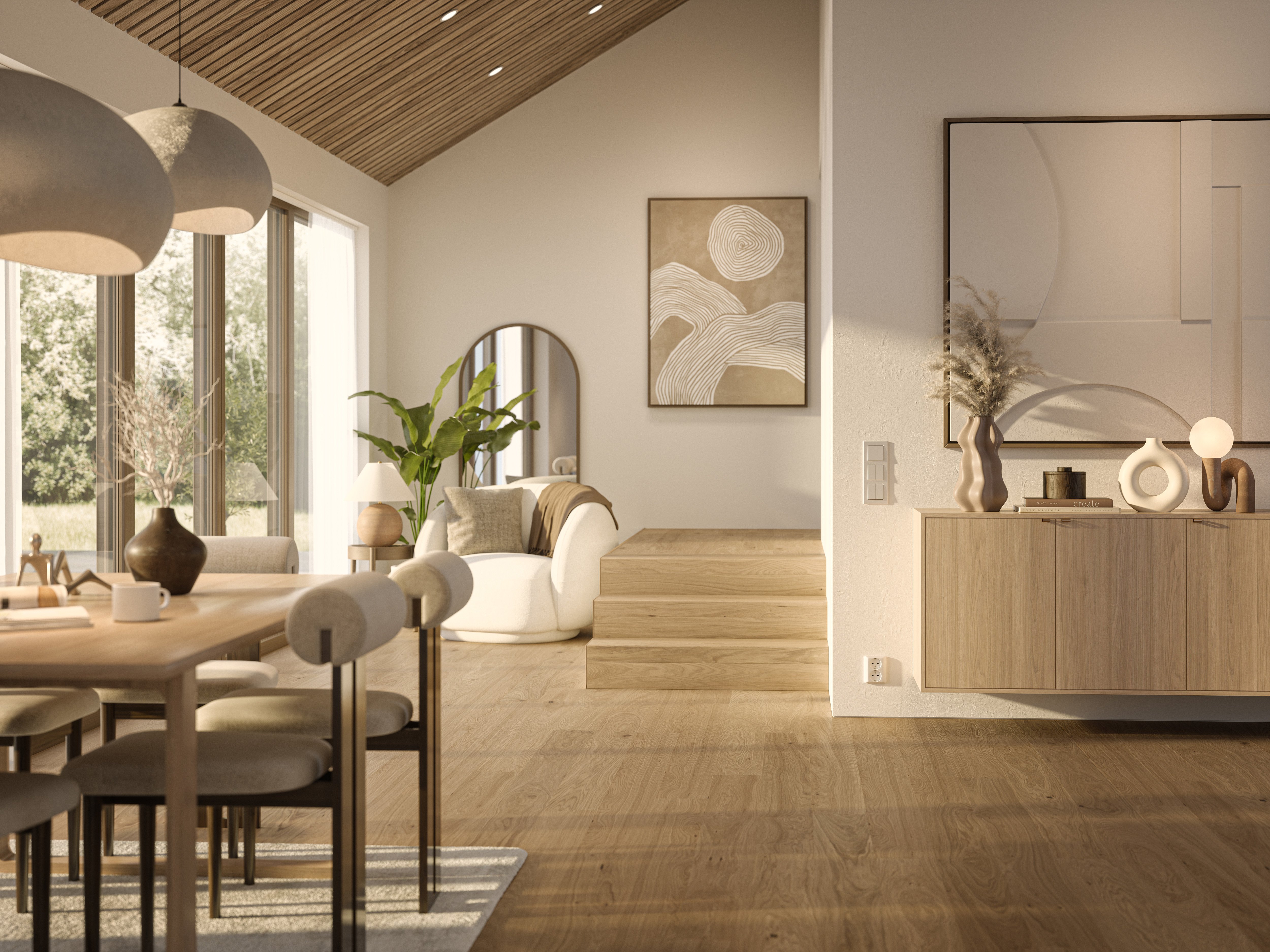
What even is Scandinavian design? It’s often characterised by clean lines, natural materials, minimalist spaces and a strong connection to nature. This Nordic aesthetic tends to be shown through light-coloured wood, neutral palettes and functional layouts.

”To me, Scandinavian design is defined by simplicity, functionality and a close connection to nature,” says Interior Designer Camilla Fritz Grundelius. “Natural, tactile materials bring warmth and character, while carefully considered proportions and details create an understated, but never sterile, expression.”

An everlasting trend

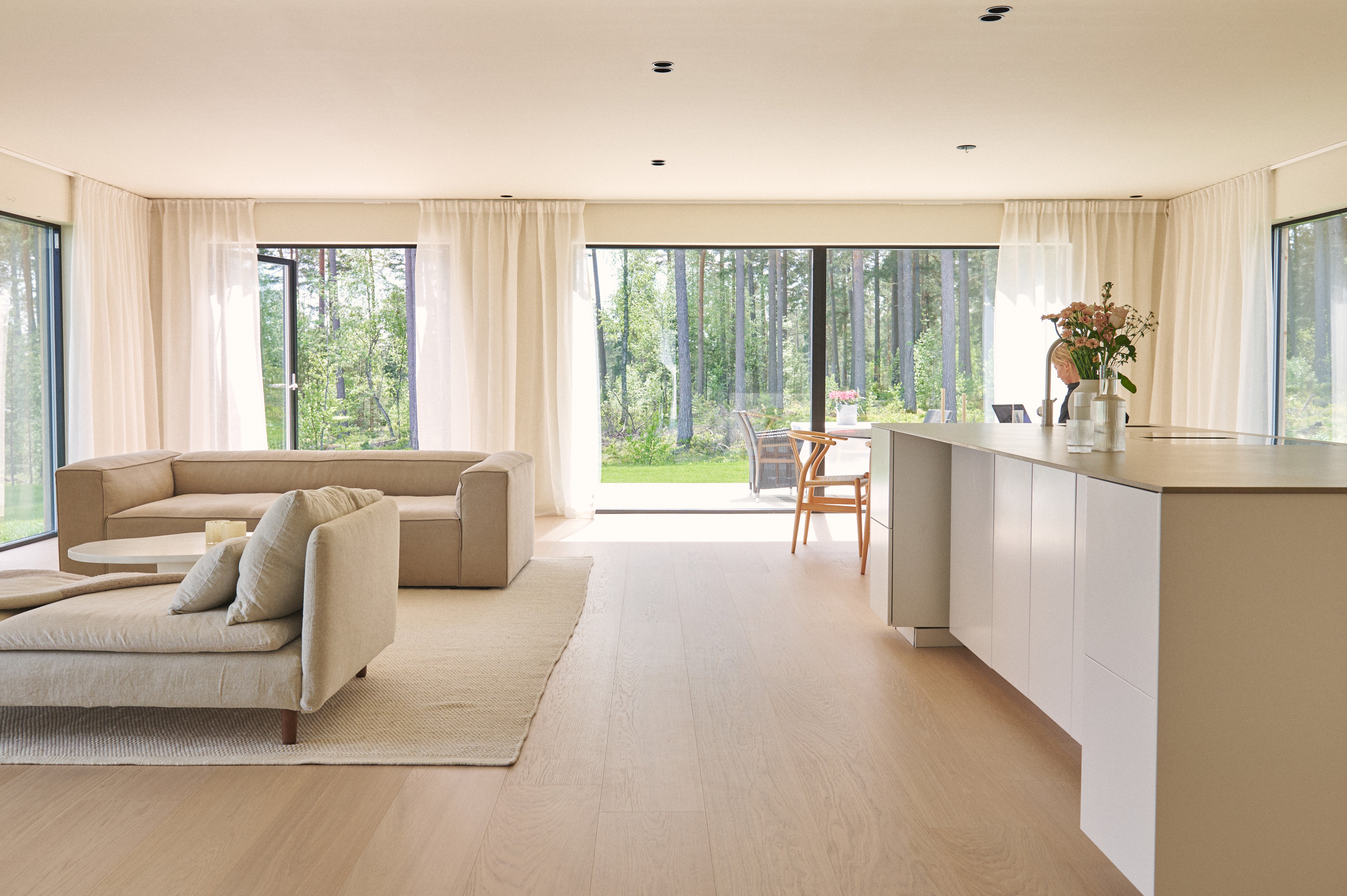
Originating in Sweden, Denmark, Norway and Finland, Scandinavian design emerged as a response to the Nordic climate and lifestyle. Long winters and limited daylight encouraged interiors that maximised the natural light and created a sense of calm and comfort. As a result, spaces tend to be bright and open.

“Scandinavian design also follows a simple philosophy, that beauty should never come at the expense of practicality,” explains Hannes Boman, Bjelin’s Head of Design. “Every element serves a purpose while contributing to an overall feeling of balance and wellbeing.” Natural materials such as wood, wool, leather and stone play a central role, helping to bring the outdoors inside and creating environments that feel contemporary and timeless.

This timelessness is very much present in Scandinavian homes. “To me, good design is about creating spaces that stand the test of time and feel just as right in ten years as they do today,” says Camilla Fritz Grundelius.

Why wood is essential

Across the Nordic region, wood has long been valued for its durability and natural qualities. It remains a cornerstone of Scandinavian interiors, appearing in furniture, wall panelling and, most notably, flooring.

“Wood brings an honesty to a space that no synthetic material can replicate,” says Hannes Boman. “It adds warmth without feeling heavy and creates a connection to nature that makes interiors feel more welcoming.”

”I see the floor as the foundation of the entire interior,” adds Camilla Fritz Grundelius. ”It connects spaces, influences how we perceive proportions and creates a natural flow through a home. A well-chosen wood floor doesn’t need to demand attention – it gives everything else in the room a stronger context.”

The Scandinavian approach

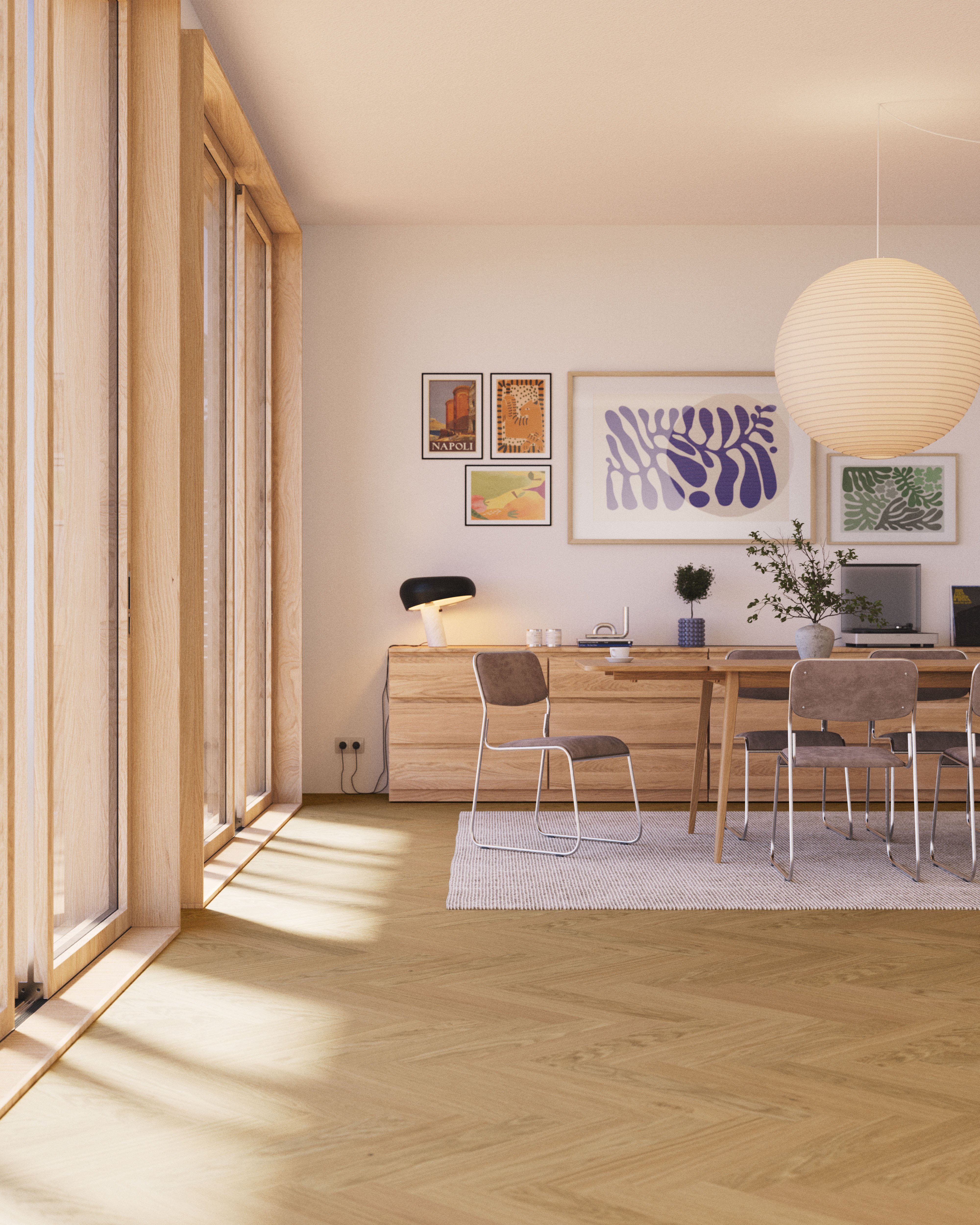
In Scandinavian homes, flooring is rarely an afterthought. Instead, it is often one of the first decisions homeowners make. Light-toned oak and ash remain particularly popular because they reflect daylight and enhance the bright, airy atmosphere that defines Nordic design. Wider planks are often preferred, creating a seamless appearance with fewer seams and helping rooms feel larger and more open.

“Flooring should create a sense of flow,” says Hannes Boman. “When you choose a natural wood floor with a harmonious expression, it allows the architecture, furniture and personal details to shine.”

This subtle approach is one reason Scandinavian design has stood the test of time. Rather than following short-lived trends, it prioritises materials that age gracefully and remain relevant for decades.

Why oak floors work so well

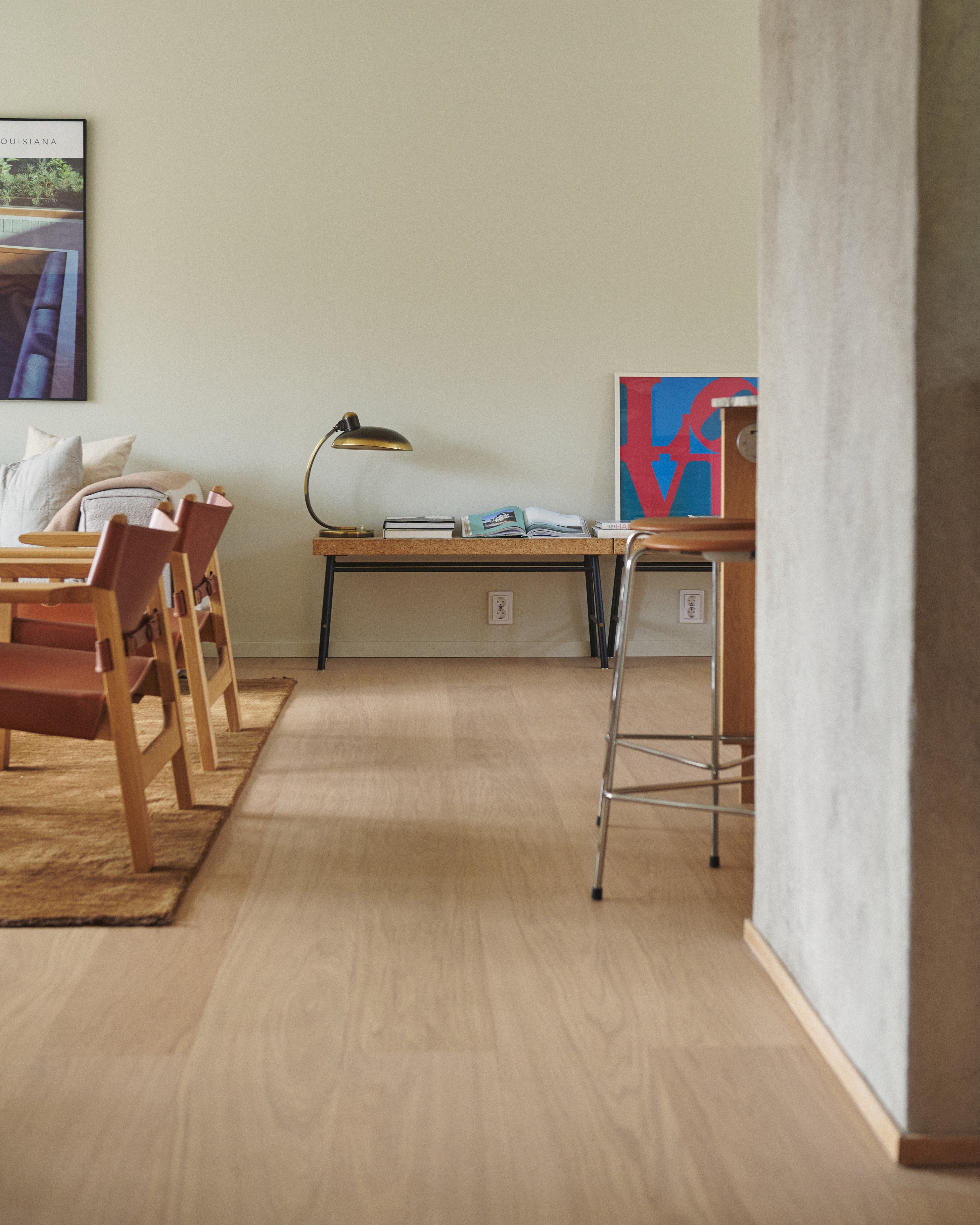
Oak has become synonymous with Scandinavian flooring for good reason. It is durable, versatile and develops character over time. Its natural variation adds visual interest without overwhelming a space, while its neutral appearance complements a wide range of colours and design styles.

From soft whites and warm beiges to deeper earthy tones, oak flooring provides a flexible backdrop that evolves alongside changing interiors. Whether paired with minimalist furniture, contemporary architecture or a more traditional setting, it delivers the balanced, understated elegance that Scandinavian design is known for.

Modern Scandinavian flooring

While the design principles remain largely unchanged, flooring technology has evolved significantly. Today's Scandinavian-inspired wood floors combine natural beauty with improved durability, making them better suited to modern lifestyles.

The colours are still relatively muted and soothing. “Our colours are influenced by Nordic landscapes and designed to suit both modern and timeless interiors,” explains Hannes Boman. “Wood flooring softens Scandinavian minimalist spaces and prevents them from feeling cold or sterile.”

A style designed to last

Why has Scandinavian stayed a global trend? Hannes Boman believes it is due to its ability to “balance simplicity with comfort, aesthetics with practicality and innovation with tradition.” And nowhere is that balance more evident than in the floor beneath our feet.